Commercial cleaning services
Eight services, each written as its own scope with areas, tasks and frequencies.
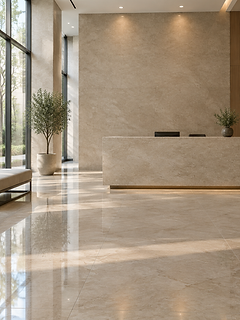
A commercial building rarely needs one kind of cleaning. It needs a routine that happens every week, occasional work that happens on a schedule, and a clear answer for what is not included. Each service below is written that way: a defined scope, a frequency, and a plan for access and hours.
- 01Office cleaningDesks, meeting rooms, kitchens, washrooms and common areas, cleaned after hours on a set weekly or daily list.
- 02Janitorial servicesWaste, floors, surfaces, washrooms and restocking, handled as routine work rather than occasional attention.
- 03Medical and dental office cleaningReception, waiting rooms, offices, washrooms and staff rooms, with clinical areas left to your own protocols.
- 04Retail and restaurant cleaningFront of house, floors and washrooms ready before opening, with kitchen work only as the scope agrees.
- 05Post-construction cleaningDust, film, stickers and debris removed in stages so a finished space can be handed over or occupied.
- 06Floor careStrip and wax, buffing and carpet extraction, scheduled around your trading hours and drying times.
- 07Window cleaningInterior glass and ground-level exterior glass, including frames, sills and entrance doors.
- 08Day porter serviceA presence during opening hours for lobbies, washrooms, waste rooms and the small things that build up.
Planning note
Scope first. Service name second.
Service names are a shorthand. What matters in a building is which areas are cleaned, which tasks are done in them, and how often. Two offices of the same size can need very different plans because one has a lunchroom used by thirty people and the other has a kitchenette used by three.
That is why the walkthrough comes before the proposal. The scope you receive names each area and each task, and the frequency sits beside it. Cost follows the scope and the schedule, so it depends on the space and the hours you need.
Questions about services